


DVOLD

Ownership, evidence and asset data. Connected and traceable.

DVOLD connects documents, roles, validations and events to one digital asset identity. Organisations gain a scalable foundation for registration, collaboration and integration. Consumers gain one clear environment around what they own.

One platform across the full lifecycle of valuable assets.

One foundation. Two clear experiences.

Use DVOLD directly or build it into your process.

The same trust model serves different users. Organisations configure roles, issuance, validation and processes. Consumers manage evidence, history and relevant information around what they own.

For organisations

Auditable asset data inside your own processes.

Give products, objects, documents or components a digital identity. Connect evidence, roles, statuses, events and transfer within one traceable history.

Use a DVOLD interface, integrate selected capabilities into existing systems or build a defined white-label experience under your own brand.

Explore DVOLD for organisations

For consumers

Prove what is yours. Keep what belongs with it.

Keep purchase evidence, product information, warranty, maintenance and ownership history with the correct item. See where information came from and decide what you share.

  • Keep evidence and product data with the correct item.
  • Retrieve warranty, service and certificates.
  • See the provenance and status of information.
  • Share selectively without opening your complete environment.
  • Transfer relevant asset history under controlled conditions.
Explore DVOLD for consumers

Why DVOLD

The information exists. The context disappears.

An asset moves through systems, organisations, users and lifecycle stages. Product data starts with the manufacturer. Purchase evidence with the retailer. Maintenance with a service provider. Appraisal or validation with an expert. A policy or claim with an insurer.

Each party records one part, yet the context becomes fragmented across portals, inboxes, documents and internal systems. During service, assessment, transfer or reuse, organisations have to establish again which information is current, where it came from and what status it carries.

DVOLD keeps relevant contributions connected to the same digital asset identity.

  • Fragmented evidence

    Documents, images, certificates and service data live in different places.

  • Unclear provenance

    A document does not always show who added, issued or reviewed it.

  • Broken history

    Relevant context disappears when the owner, organisation or service provider changes.

  • Collaboration without appropriate access

    Parties need to contribute or assess without automatically seeing the complete record.

No false certainty

Trust starts with visible provenance, role and status.

Not all information carries the same evidential weight. DVOLD shows how each contribution was created.

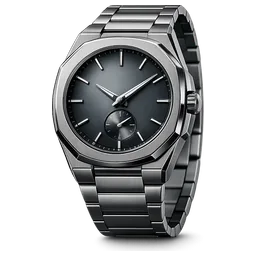
Asset historyAiguille 39 · Alpine Watch Co.AW-AIG-0391
01Added

Purchase evidence

Source
Owner
Role
Holder
Recorded
14 Mar 2024

Basis of evidence

Source supplied by the user

The source is visible, but has not been independently reviewed.

A user or organisation has added information, a document or an event. The source is visible, but the content has not automatically been independently reviewed.

02Issued

Digital ownership passport

Source
Alpine Watch Co.
Role
Issuer
Recorded
16 Mar 2024

Basis of evidence

Official primary source

The original product record, recorded by the authorised issuer.

A known organisation has issued information or a digital ownership passport. The relationship with the issuer is auditable. This does not mean every individual claim has been externally validated.

03Validated

Independent authenticity check

Source
Atelier Tempus
Role
Validator
Recorded
9 May 2026

Basis of evidence

Independently verified claim

Only this check is validated, not the complete record.

An authorised party has reviewed and confirmed specific information. The registration shows what was assessed, by whom and when.

DVOLD makes trust auditable without suggesting more certainty than the source and review justify.

The foundation behind every application

From disconnected information to an auditable asset history.

DVOLD connects information not only to an account or document folder, but to the asset it describes.

Identity and evidence

Digital asset identity

An identifiable identity for a product, object, document, installation, shipment, component or another registered entity.

Evidence and metadata

Product data, purchase information, documents, images, certificates and other relevant data remain connected to the correct asset.

Roles and lifecycle

Roles and access

Owners, brands, validators, service providers and other organisations operate through different permissions and see only what is relevant to their role.

Lifecycle and history

Issuance, maintenance, inspection, claim, change, transfer and other events form a continuous, traceable timeline.

Structure and audit

Linear and branched structures

An asset may contain both chronological history and relationships to components, materials, documents and other assets.

Corrections and audit

Corrections do not silently replace earlier steps. Previous values and relevant events remain traceable.

The same principles across different processes

Where asset data, evidence and several parties come together.

Each sector requires different data, roles and workflows. The foundation remains consistent: an identifiable asset, clear provenance, controlled access and a history that remains useful.

Insurance and finance

Assess relevant information with visible provenance and status without disclosing the complete record unnecessarily.

Maintenance, service and certification

Keep service, inspections, repairs, calibration and certificates connected to the correct object.

Circularity and Urban Mining

Connect assets to components and materials to support maintenance, reuse, retained value and recovery.

Also supported

  • Brands, manufacturers and retail

    Issue digital ownership passports and connect product information, purchase, warranty, service and transfer.

  • Supply chain and logistics

    Make provenance, handovers, documents and quality controls traceable between participants.

  • Real estate and long-lived assets

    Keep permits, maintenance, installations, inspections and ownership changes within a lasting history.

  • Public registries and processes

    Support controlled issuance, authority, status and audit through defined roles.

Your systems remain in control

Add auditable asset history without rebuilding every process.

Organisations already use ERP, CRM, POS, PLM, maintenance, logistics, policy and document systems. DVOLD does not automatically replace them.

An integration connects only the actions and data that need to remain auditable around the asset. This may use a DVOLD interface, selected API capabilities or a defined white-label experience.

DVOLD interface

Validate a defined workflow with predefined roles, fields and statuses.

API integration

Bring selected actions such as issuance, validation, history or transfer into an existing application.

White-label experience

Offer a branded experience using selected DVOLD capabilities, terminology, navigation and workflows.

Confirmed per implementationEndpoints, authentication, connectors, data schemas, monitoring and SLA are confirmed per implementation.

Built for a changing data landscape

Product data creates value when it remains useful across organisations.

The move towards digital product passports increases demand for unique identification, machine-readable data, visible provenance, controlled access and transferable history.

DVOLD provides a configurable foundation for product and asset data across the lifecycle. Exact fields, standards, legal obligations and responsibilities differ by sector, product category and jurisdiction.

DVOLD is therefore not positioned as automatically compliant with every regulation. The platform supports organisations in structuring, sharing and evidencing application-specific data and controls.

Clear direction. Careful implementation.

The platform principles are defined. Each application is validated in context.

Confirmed platform principles

  • Digital asset identities.
  • Added, Issued and Validated as separate statuses.
  • Role-based access.
  • Chronological and branched data structures.
  • Append-only registration of relevant events.
  • Corrections as new traceable steps.
  • Multichain infrastructure without dependence on one blockchain.
  • Personal data is never stored on-chain.
  • Deployment through DVOLD interfaces, selected integration capabilities and white-label, depending on implementation.

To be confirmed per application

  • exact data fields;
  • roles, permissions and approvals;
  • integration with existing systems;
  • on-chain and off-chain data distribution;
  • revocation, expiry and duplicate control;
  • technical security and tenant design;
  • legal validity and compliance controls;
  • implementation phase and commercial scope.

DVOLD presents external capabilities as available only when the functional, technical, operational and legal scope has been sufficiently confirmed.

FAQ

Questions that come up often.

9 questions about what DVOLD is, how reliability works and what is not yet fixed.

What is DVOLD in one sentence?

DVOLD is a platform that connects digital asset identity, evidence, ownership information, roles and lifecycle data around the same asset in an auditable way.

Is DVOLD only for consumers?

No. DVOLD provides a personal consumer experience and enterprise infrastructure for organisations and public-sector parties.

Is DVOLD only a wallet?

No. The wallet is one user experience. The platform underneath supports issuance, validation, status, history, roles, transfer and integration.

How do I know whether information is trustworthy?

DVOLD distinguishes information that is Added, Issued and Validated, making the source, role and review visible.

Is all information stored on a blockchain?

No. Personal data is never stored on-chain. Data distribution is determined per application while relevant events and status changes are protected in an auditable way.

Is DVOLD tied to one blockchain?

No. DVOLD uses multichain infrastructure. Technical configuration may vary by application without requiring users to manage a specific chain.

Does DVOLD replace existing business systems?

Not automatically. Existing systems may remain the operational sources. DVOLD adds an auditable asset and collaboration layer.

Is every application listed already fully available?

Not necessarily. The platform principles are confirmed, but exact workflows, integrations, legal requirements and commercial scope are validated per application.

Does DVOLD automatically comply with regulation?

No. DVOLD may support roles, evidence, history and controls. Legal requirements and responsibilities must be established for each sector, jurisdiction and application.

Start with the asset, evidence or process that should no longer become disconnected.

For consumers, that means more control over what they own. For organisations, it means a first step towards structure within existing processes.