DVOLD Applications
Auditable asset data, applied to real processes.
From product issuance and claims to maintenance, logistics and circularity. DVOLD connects digital identity, evidence, roles and events around the same asset, even when several organisations contribute.
One shared foundation. Different sectors, roles and processes.
- IssuanceIssuing organisation
- PurchaseRetailer or point of sale
- ValidationAuthorised party
Shared asset identityEvery organisation works from its own role on the same identity.
- MaintenanceService provider
- ClaimInsurer
- TransferNext owner
- ReuseDisassembly or recycling
The application changes. The data problem does not.
Once several parties contribute, context starts to disappear.
An asset moves through organisations, systems and lifecycle stages. A manufacturer records product data. A retailer captures the purchase. An inspector adds a review. A service provider records maintenance. An insurer assesses evidence. At transfer, claim or reuse, the same question returns: which information is current, relevant and trustworthy?
The data often exists, but it no longer forms one coherent record. The missing element is context: who added the information, who issued it, what was actually validated and which status applies now?
DVOLD connects those contributions to one digital asset identity. Each party works through a defined role while relevant events and status changes remain traceable.
One asset, one journey
- ManufacturerProduct data
- RetailerPurchase
- InspectorReview
- Service providerMaintenance
- InsurerEvidence
Where the record breaks
Fragmented information
Product data, documents, service, ownership and status live across separate systems.
Unclear evidential weight
Added, issued and validated information is not consistently distinguished.
Broken history
Relevant context disappears during transfer, damage, maintenance or recycling.
Collaboration without appropriate access
Parties need to contribute or review without seeing the entire record.
Where DVOLD creates value
The same platform principles, shaped around each process.
Every sector uses different data, roles and workflows. The foundation remains consistent: an identifiable asset, visible provenance, controlled access and a history that continues with the asset.
- Brands, manufacturers and retailTurn first issuance into an ongoing product relationship.
- Insurance and financeAssess relevant information with visible provenance and status.
- Maintenance, service and certificationKeep technical and service history attached to the asset.
- Supply chain and logisticsMake handovers, documents and controls traceable.
- Real estate, installations and long-lived recordsBuild a record that remains useful for years or decades.
- Public registries and government processesSupport controlled issuance, status and authority.
- Circularity, recycling and Urban MiningShow what an asset contains and what may retain value.
Brands, manufacturers and retail
A product passport that continues beyond the sale.
After production and sale, product information becomes fragmented across packaging, retail systems, warranty portals, email and service records. The brand loses continuity across the lifecycle while the owner has to rebuild the evidence for warranty, repair or resale.
A brand or manufacturer can issue a digital ownership passport that remains connected to the product. Product data, purchase information, warranty, service events, certificates and transfers become part of the same auditable history.
Issuance by the brand makes the source visible. Specific information may later be validated separately by an authorised party. Issuance and validation remain distinct statuses.
Product identity and customer relationship
Digital ownership passport
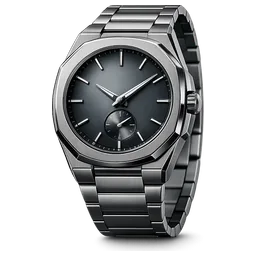
Octave 41
- Category
- Watches
Issued by the brand
Continuity register
- IssuanceBrand or manufacturerIssued
- PurchaseRetailer or point of saleAdded
- Service eventService or repair partnerAdded
- ReviewValidator or certifying partyValidated
- TransferNext ownerAdded
The history stays with the item. Personal data and separate contracts do not transfer automatically.
Insurance and finance
Relevant asset information available when assessment matters.
Insurance, finance and claims processes rely on purchase evidence, photographs, appraisals, ownership data, maintenance and prior events. Information has to be collected repeatedly, and the assessing party may not know the source or current status of each document.
DVOLD connects relevant asset data and evidence to one digital identity. The owner controls which information is shared with an insurer, financier, appraiser or other authorised party. The recipient can distinguish information added by a user, issued by a known organisation or specifically validated.
A policy, finance relationship, appraisal or claim event may be connected to the asset record as a separate registration. Personal information and separate contracts do not automatically transfer to a future owner.
Evidence, risk and consent
- Product identityIssuing organisationIssued
- Purchase evidenceOwnerAdded
- Service historyService or repair providerAdded
- Condition and authenticityValidator or expertValidated
Personal data and separate contracts do not transfer automatically.
The assessing party decides. DVOLD does not insure, finance or appraise.
Participants
- Owner.
- Insurer.
- Financier.
- Appraiser or expert.
- Claims handler.
- Repair or service provider.
- Issuer or retailer.
Organisational value
- Fewer repeated evidence requests and manual re-entry.
- Clearer provenance and status of submitted information.
- Selective data sharing instead of full-record disclosure.
- Better continuity across onboarding, management, claim and repair.
- An auditable basis for assessment without DVOLD acting as insurer, financier or appraiser.
Maintenance, service and certification
Every service action remains connected to the correct asset.
Maintenance, inspections, calibration, repairs and certificates are usually recorded by individual providers or locations. When a provider changes, equipment moves or ownership transfers, the technical history becomes fragmented.
Authorised parties add maintenance, inspections, repairs, measurements, revisions and certificates to the same asset history. Every contribution carries a source, role, date and status.
A service provider may record an event without automatically receiving access to all commercial, personal or historical information. Corrections do not silently replace the original entry. They are recorded as new traceable steps.
- 14 Feb 2026Scheduled maintenanceMaintenance providerRecorded
- 3 Apr 2026Inspection carried outInspectorRecorded
- 19 May 2026Calibration certificateCalibration bodyIssued
- 2 Jun 2026Correction to the inspection of 3 Apr 2026The original entry remains visible and unchanged.InspectorNew step
Record note
Validity dates, automated expiry, revocation and notifications are configured and validated per application. The website does not claim that every workflow is already available as a standard feature.
Participants
- Owner or operator.
- Manufacturer.
- Maintenance provider.
- Installer.
- Inspector.
- Calibration or certification body.
- Insurer, financier or regulator where access is authorised.
Organisational value
- Service history remains available across providers and owners.
- Maintenance and evidence stay attached to the specific object or component.
- Actions and responsibilities are easier to trace.
- Inspections and certificates can be assessed alongside current asset status.
- Planning becomes less dependent on disconnected reports and email archives.
Supply chain and logistics
Each participant adds context without rebuilding the chain.
Goods, components and documents move between manufacturers, suppliers, logistics providers, terminals, recipients and authorities. Every handover creates another document and status while provenance, quality controls, custody and destination become difficult to connect.
DVOLD links handovers, documents, quality controls and statuses to the same asset, party or shipment. Each authorised participant contributes from its own role.
Current status is visible to the extent that connected parties and systems provide the information. DVOLD does not automatically replace logistics, customs or planning systems. It adds an auditable layer around provenance, actions and transfer.
Handover boardProvenance and handover
- ProducerProvenanceAdds
- Product data
- Quality control
- SupplierDeliveryAdds
- Delivery document
- Batch data
- Logistics providerTransportAdds
- Transport document
- Handover record
- RecipientReceiptAdds
- Receipt control
- Status update
Connected parties and systems determine what is visible.
Participants
- Producer.
- Supplier.
- Logistics provider.
- Terminal or storage operator.
- Quality-control party.
- Customs or another authorised body.
- Recipient or new owner.
Organisational value
- Handovers retain their operational context.
- Provenance and controls are easier to retrieve.
- Each party contributes without full visibility into the entire chain.
- Documents and statuses remain connected to the physical asset or shipment.
- Exceptions can be traced to a step, actor and moment.
Real estate, installations and long-lived records
A record that grows with the building and its systems.
Real estate and technical installations have long lifecycles. Permits, drawings, inspections, energy data, maintenance, alterations, appraisals and ownership information are managed by different parties. During a change of manager, financing, refurbishment or sale, the record often has to be reconstructed.
DVOLD connects relevant documents, events and statuses to a digital identity for a property, installation, space or component. Owners, managers, contractors, installers, inspectors and other authorised parties contribute from their own roles.
The history can continue during operation and across ownership changes while personal information, separate contracts and non-transferable data remain separate.
Layers
- PropertyPermits, inspections, alterations
- InstallationIts own maintenance and inspection history
- ComponentReplacement and revision per part
Entries
- 2019Inspection carried outCertification bodyInstallation
- 2022Maintenance recordedInstallerComponent
- 2024Alteration recordedContractorProperty
- 2026Transfer recordedNew ownerProperty
When the manager or owner changes, the history continues on the same object identity.
Travels with the object
Asset record, layers, entries, source and status.
Stays separate
Personal information, separate contracts and non-transferable data.
Participants
- Owner.
- Property manager.
- Owners' association or similar body.
- Contractor and installer.
- Inspector and certification body.
- Appraiser.
- Insurer and financier.
- Municipality or another authorised public party.
Organisational value
- Less dependence on disconnected project and management files.
- Maintenance, inspections and alterations remain linked to the correct object.
- A stronger information base for management, finance, insurance and transfer.
- Better continuity when owners, managers or service providers change.
- Installations and components can retain their own histories within the wider asset record.
Scope noteDVOLD is not a land registry, notarial register or central ownership database. It supports auditable record-building and controlled information exchange around property and installations.
Public registries and government processes
Auditable records without giving every party the same access.
Public and regulated processes combine issuance, authority, evidence, status changes and sensitive information. Data moves between citizens, organisations, service providers and regulators, while not every participant should be able to see or change the same information.
A public or authorised organisation may issue information, documents or digital passports with a visible source. Other authorised parties may validate specific data, add an event or update a status within predefined roles and permissions.
The auditable history shows which party acted and which status applied at that time. Personal data is never stored on-chain and remains separate from the verifiable registration.
Issuing organisation
ActionIssue with a visible source
AccessIts own issuance and the current status
Authorised validator or expert
ActionValidate and update status
AccessOnly the assigned data
Receiving organisation
ActionVerify specific information
AccessSource, role, action and status
Participants
- Issuing public organisation.
- Citizen, owner or rights holder.
- Delivery or implementation body.
- Authorised expert or validator.
- Regulator.
- Service provider with a defined authority.
- Receiving organisation that needs to verify specific information.
Organisational value
- Clearer separation between source, issuance and validation.
- Controlled access based on role and action.
- Traceable status changes and corrections.
- Less dependence on uncontrolled copies and detached declarations.
- Verification of relevant information without unnecessary public exposure of personal data.
Scope noteDVOLD does not grant legal status and does not guarantee automatic legal compliance. Legal validity, authority, retention and required controls are determined for each process.
Circularity, recycling and Urban Mining
Show what an asset contains and what may become valuable again.
At the end of a use phase, organisations often lack reliable insight into the components, materials and resources contained in an asset. Maintenance, replacement, condition and provenance are not held in one structure. Reusable components are written off too early and material value remains hidden.
DVOLD supports a branched structure that connects an asset to components, subcomponents, materials and relevant documents. Each layer may carry its own attributes, status, maintenance history, value and expected lifetime.
This makes it possible to describe not only the end product, but also its composition and prior events. The same structure can support repair, reuse, disassembly, material recovery and chain-of-custody applications.
Branched compositionComposition, retained value and reuse
- Component AReplaced in 2023 · good condition
- Subcomponent A1Revised in 2024 · reusable
- Component BOriginal · end of use phase
- MaterialProvenance recorded · recoverableUse case: Urban Mining
Participants
- Manufacturer.
- Owner or operator.
- Maintenance and repair provider.
- Disassembly or recycling organisation.
- Material expert or validator.
- Logistics provider.
- Buyer of components, materials or recovered resources.
- Public or certifying organisation where relevant.
Organisational value
- Better insight into components, materials and retained value.
- Maintenance and replacement visible at each layer of the asset.
- Reuse and recovery supported by provenance and history.
- Material data remains attached to its physical context.
- Linear lifecycle data and branched composition data work together.
Urban Mining as a use case
On the DVOLD website, Urban Mining is a use case for branched asset, component and material registration. It demonstrates how structured asset data may support reuse and recovery.
What every application has in common
Trust comes from source, role, status and history.
Each sector requires different data. The trust model remains consistent.
- open square
Added
A user or organisation has added information, a document or an event. The source is visible, but the content has not automatically been independently assessed.
- filled circle
Issued
A known organisation has issued information or a digital passport. The relationship to the issuer is visible without implying that every claim has been independently validated.
- open diamond
Validated
An authorised party has reviewed and confirmed specific information. The registration shows what was assessed, who performed the review and when.
Four shared principles
- Every asset or registered entity receives an identifiable digital identity.
- Roles determine who may view, add, issue, validate or manage information.
- Relevant events and corrections remain traceable as separate steps.
- Relevant history may continue during transfer while personal data and separate contracts remain distinct.
DVOLD is not tied to one blockchain. Its multichain infrastructure supports auditable registration without requiring users to manage the underlying chain.
Built for a changing data landscape
Product data creates value when it remains useful across organisations.
The move towards digital product passports increases demand for unique product identification, machine-readable data, transferability, controlled access and visible provenance.
- Unique identificationOne recognisable reference to the same item
- Machine-readable dataReadable by systems, not only by people
- TransferabilityTravels to a next organisation or owner
- Controlled accessDetermined per role and action
- Visible provenanceSource, role and status stay visible
DVOLD brings together the building blocks organisations need to structure, share and extend product and asset data across the lifecycle. The exact fields, standards, legal duties and responsibilities vary by product category, sector and jurisdiction.
DVOLD is therefore not positioned as automatically compliant with every regulation. It provides a configurable foundation on which application-specific requirements can be implemented and evidenced.
From application to implementation
Start with the process that needs measurable improvement.
The platform principles are broadly applicable, but every implementation requires its own decisions. This includes data fields, roles, validations, integrations, retention, legal responsibilities and user experience.
DVOLD may be used through DVOLD interfaces, selected capabilities integrated into existing systems or a defined experience under the organisation's own brand. The deployment model is determined for each application.
Confirmed platform principles
Fixed for every implementation.
- Digital asset identities.
- Added, Issued and Validated as separate statuses.
- Role-based access.
- Chronological and branched data structures.
- Append-only recording of relevant events.
- Corrections as new traceable steps.
- Multichain infrastructure without reliance on one blockchain.
- Personal data is never stored on-chain.
Validated per application
Determined per implementation.
- Exact data fields and on-chain or off-chain distribution.
- Roles, permissions and approval processes.
- Integration with existing systems.
- Revocation, expiry and duplicate controls.
- Tenant design and data sharing.
- Legal validity, compliance controls and retention.
- Commercial scope and implementation phases.
An application becomes a standalone product or market proposition only when customer demand, scope and implementation have been sufficiently validated.
FAQ
Questions that come up often.
8 questions about applications, existing systems, reliability and implementation.
Is every application area a separate DVOLD product?
No. The page shows how the same platform capabilities support different processes. An application receives its own product name or detailed proposition only when there is a clear customer need, scope and roadmap.
Does DVOLD replace our existing systems?
Not automatically. DVOLD adds an auditable asset and collaboration layer. Existing ERP, CRM, POS, PLM, maintenance, logistics or sector systems may remain the operational sources. The integration approach is covered separately.
How can users understand whether information is trustworthy?
DVOLD distinguishes information that has been Added, Issued and Validated. The registration shows source, role, action and status without giving a blanket guarantee that all content is correct.
Is all information stored on a blockchain?
No. Personal data is never stored on-chain. Sensitive and substantive data may remain off-chain while relevant events, hashes, event IDs or statuses are protected through the multichain infrastructure.
Does DVOLD guarantee regulatory compliance?
No. DVOLD may support processes, roles, evidence and controls, but legal requirements and responsibilities must be determined for each sector, country and application.
Must every end user use the DVOLD app?
Not necessarily. DVOLD may be offered through DVOLD interfaces, integration with existing systems or a defined white-label experience. Available deployment models depend on the implementation.
Is DVOLD tied to one blockchain?
No. DVOLD uses multichain infrastructure. The technical configuration may vary by application without tying the user experience to one chain.
Can an organisation start with one process?
Yes. An implementation may focus on one asset category, workflow or user group. Scope, integrations and responsibilities are defined in advance.
Which information should finally remain connected in your process?
Start with one asset, one critical workflow and the parties that contribute. DVOLD connects identity, evidence, roles and events into an auditable history shaped around your application.
Not a generic demonstration, but a conversation about your process, data and roles.